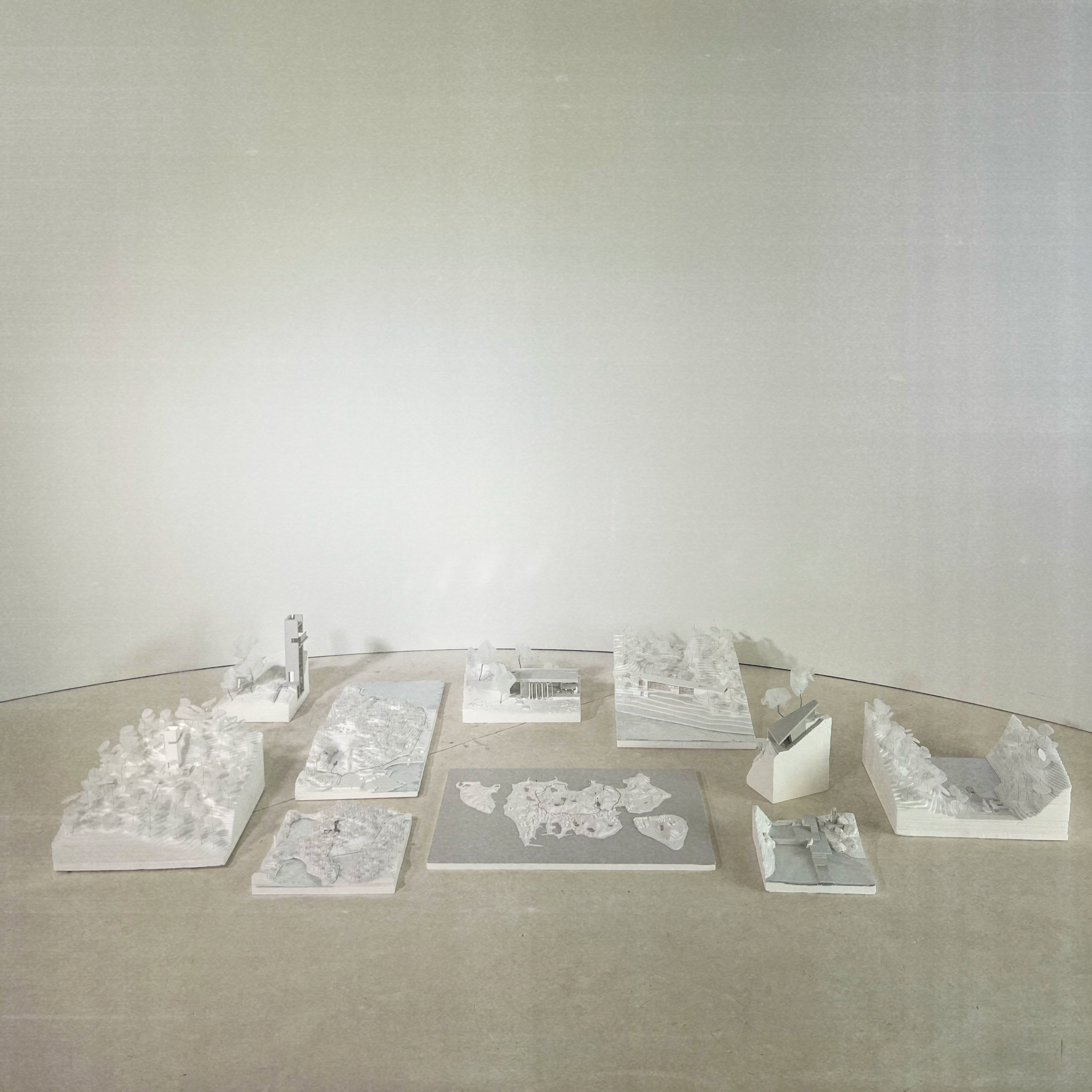
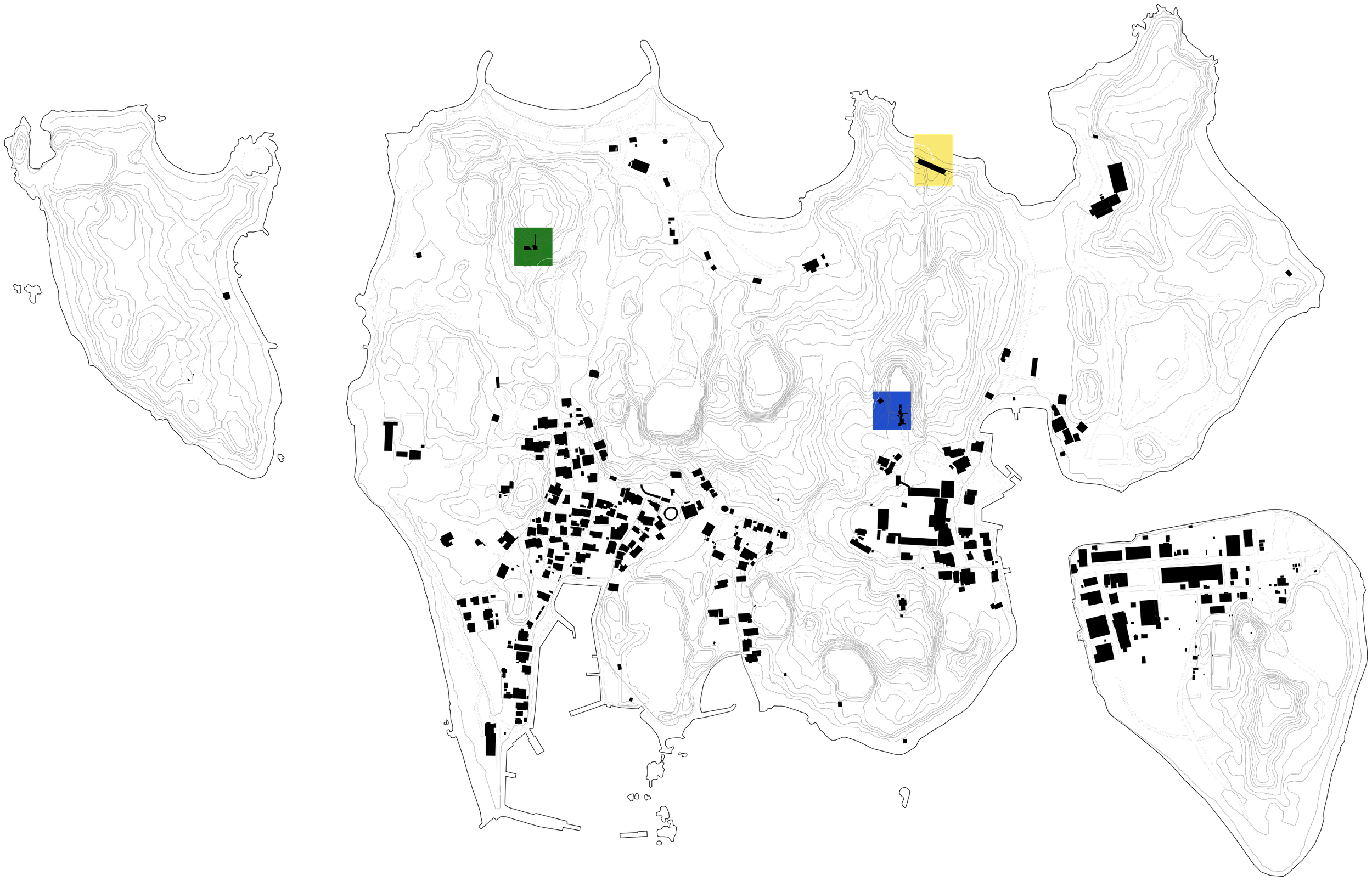
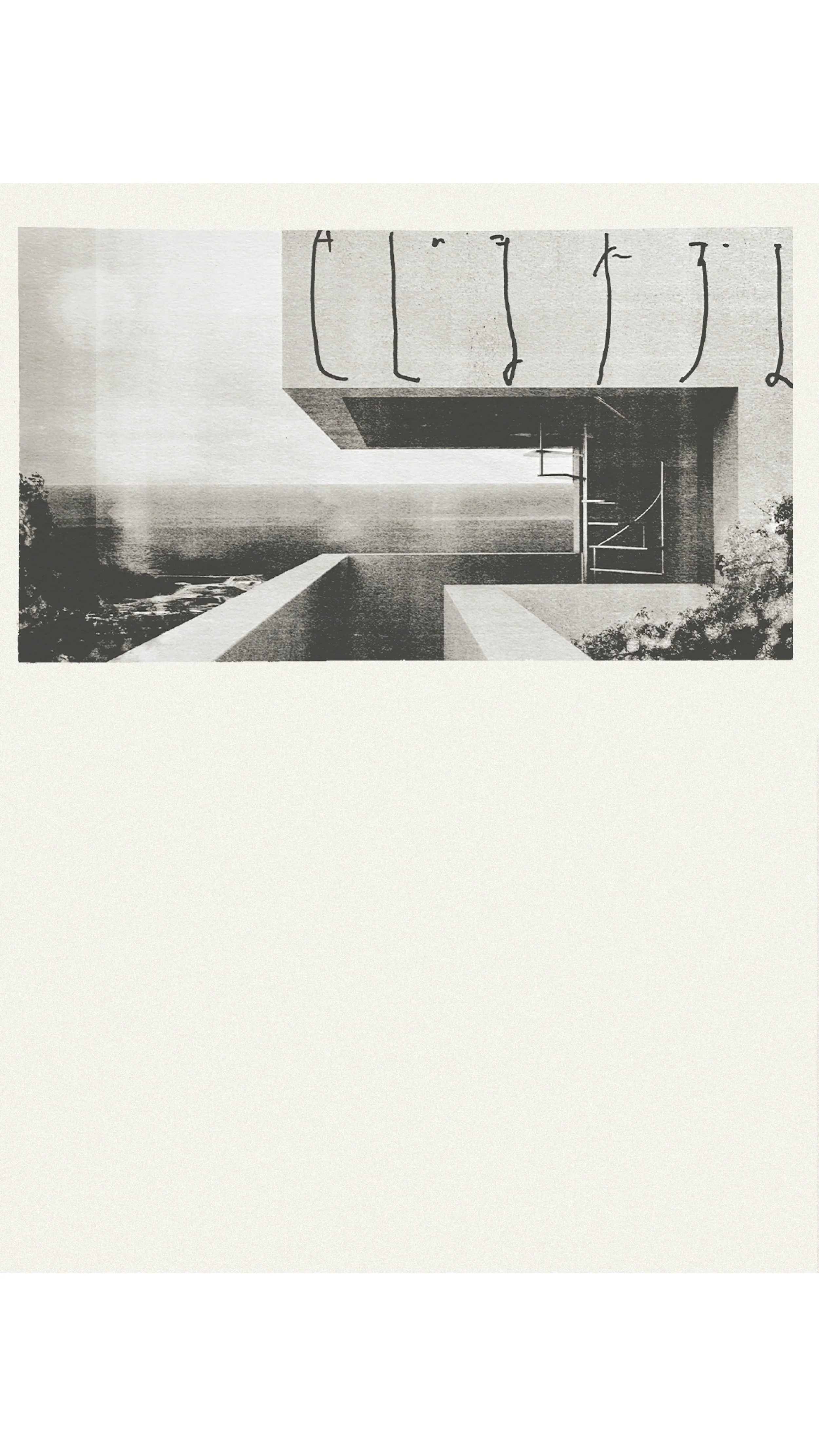
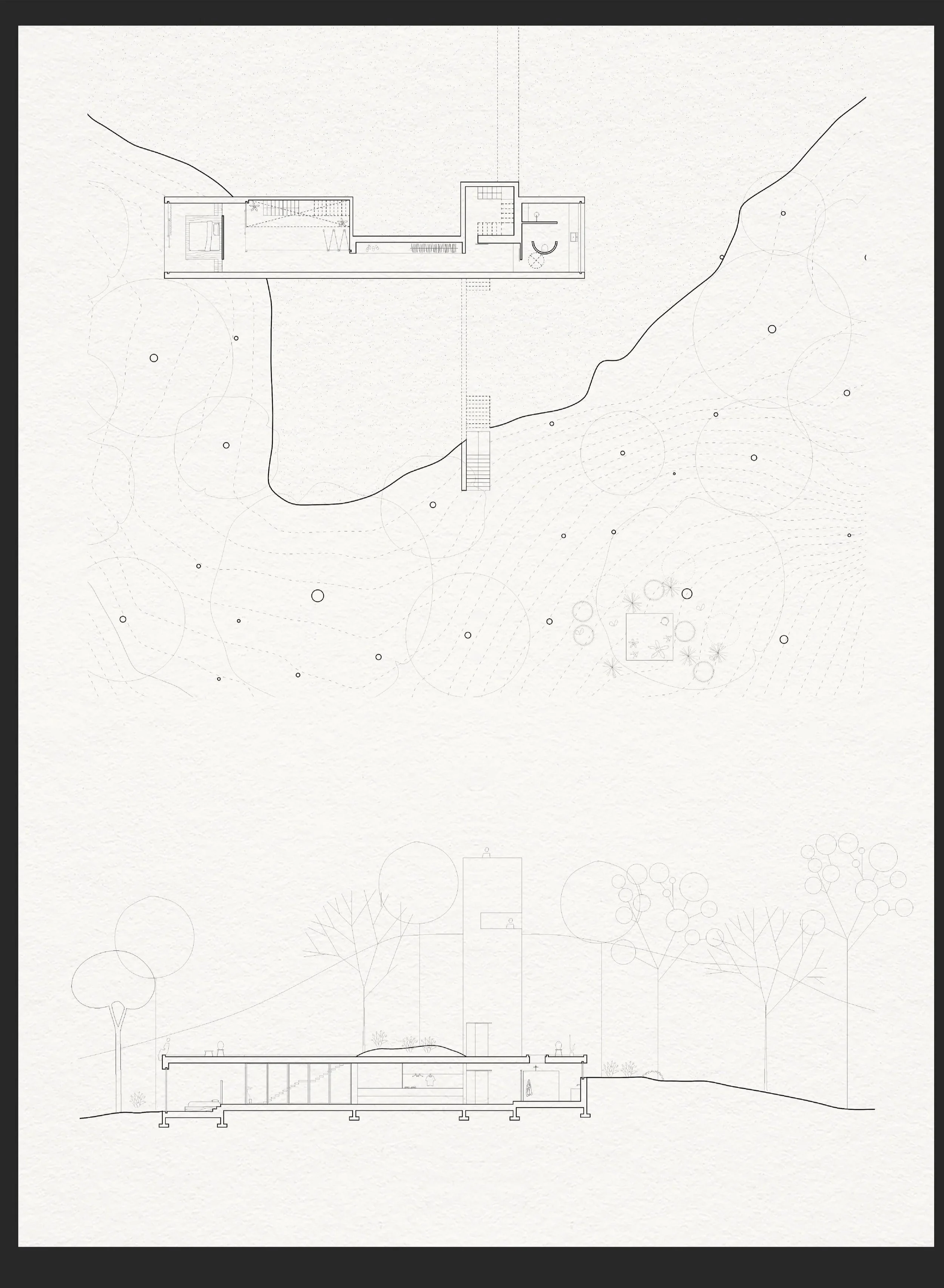

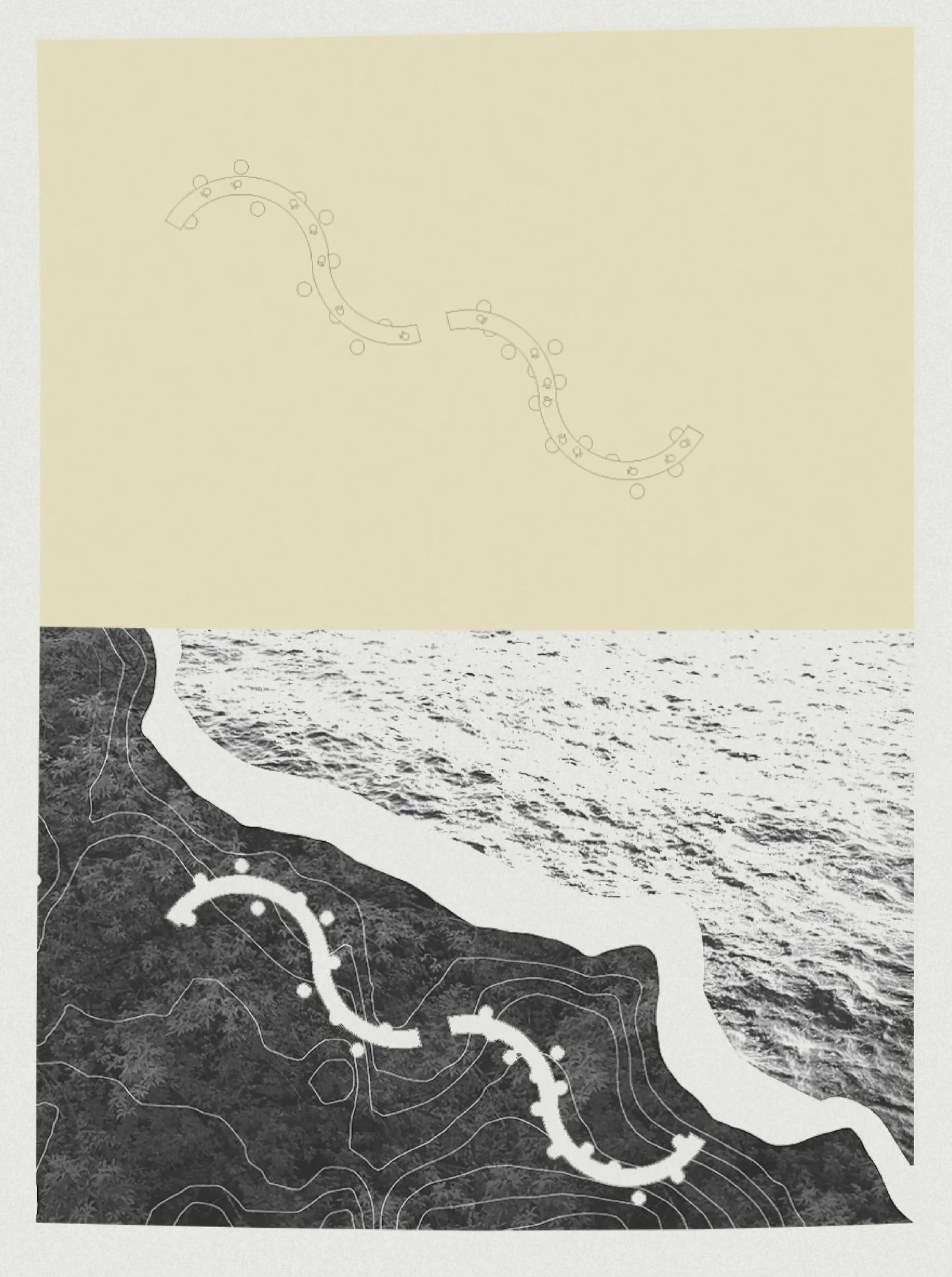
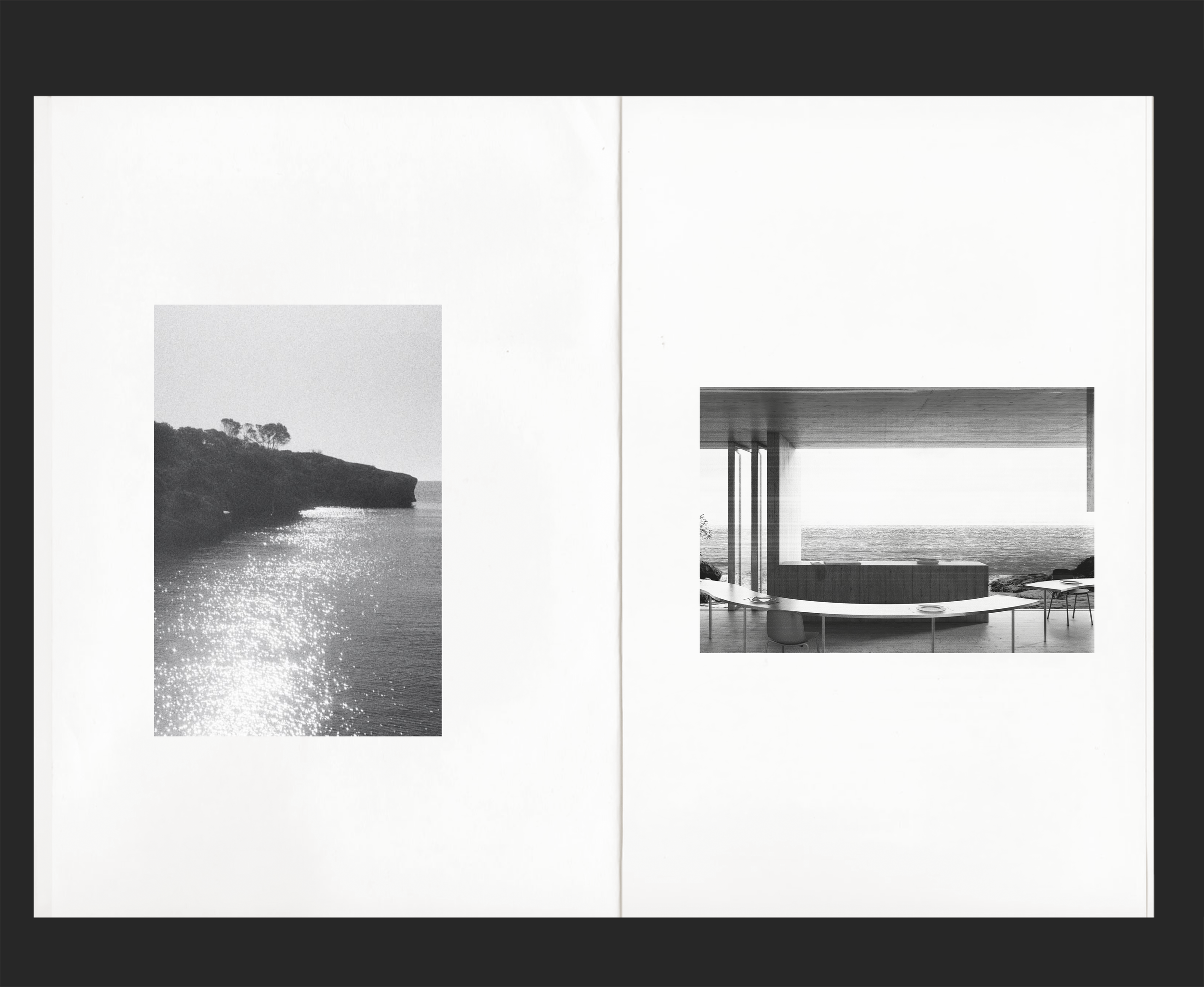
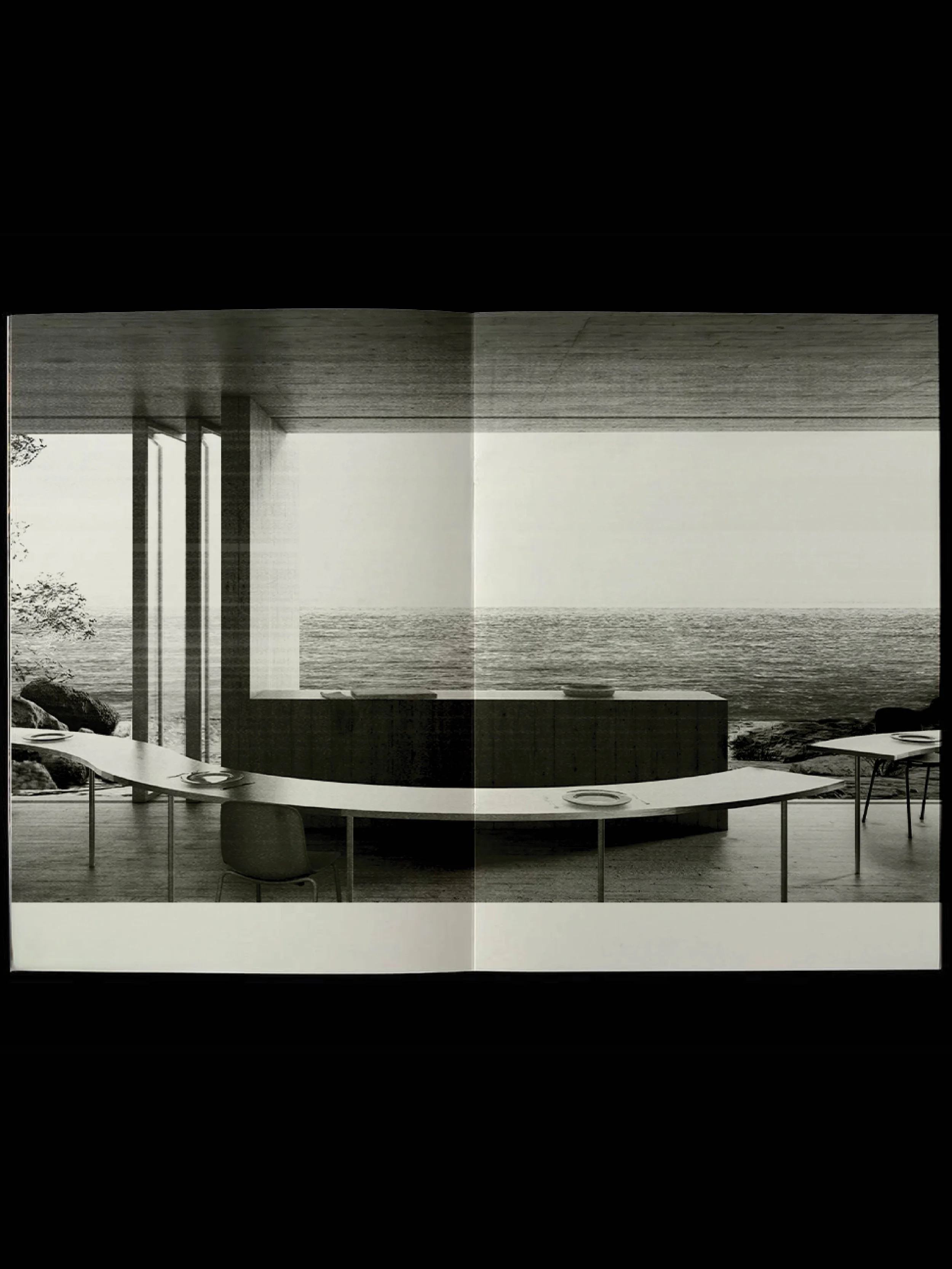
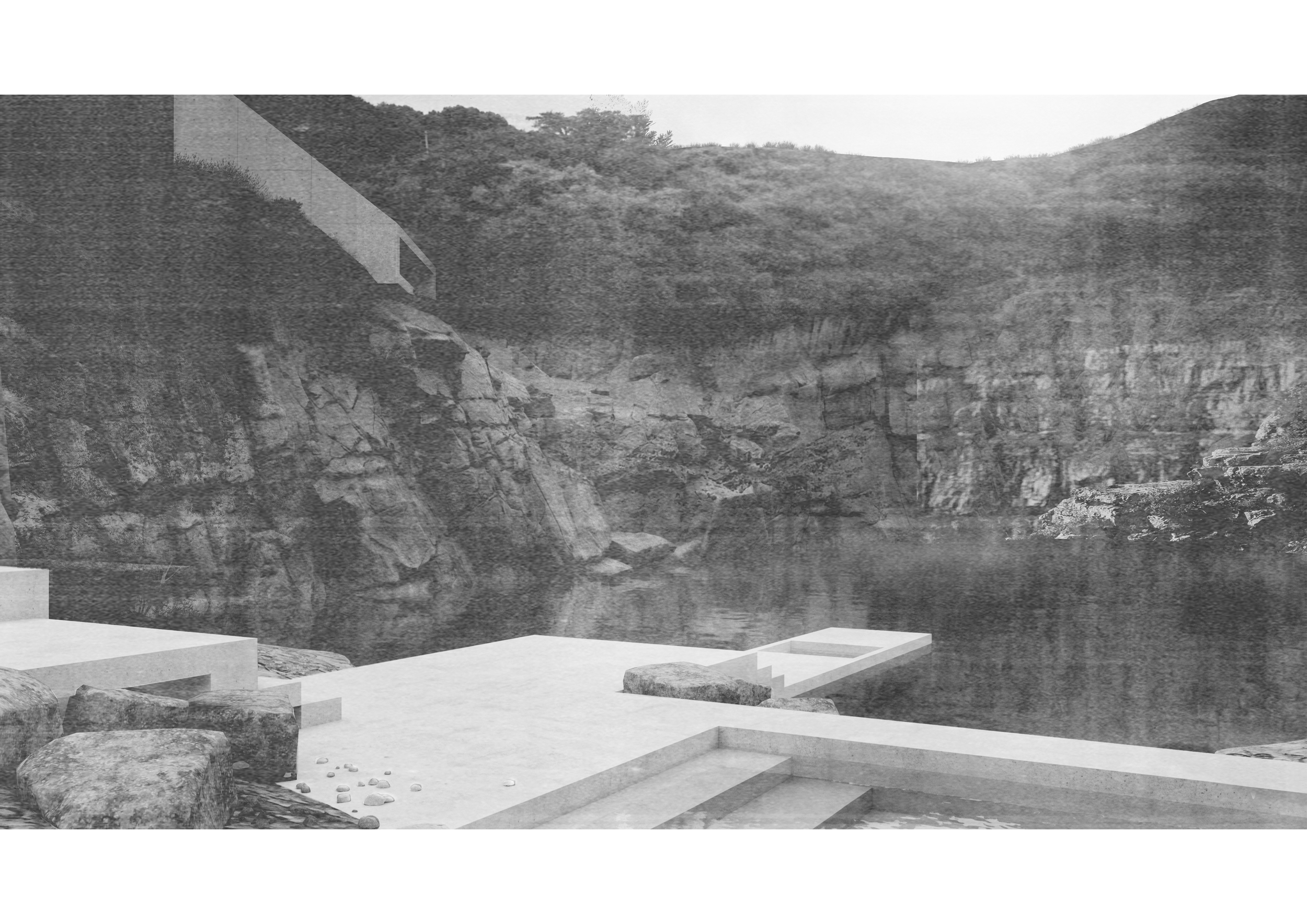
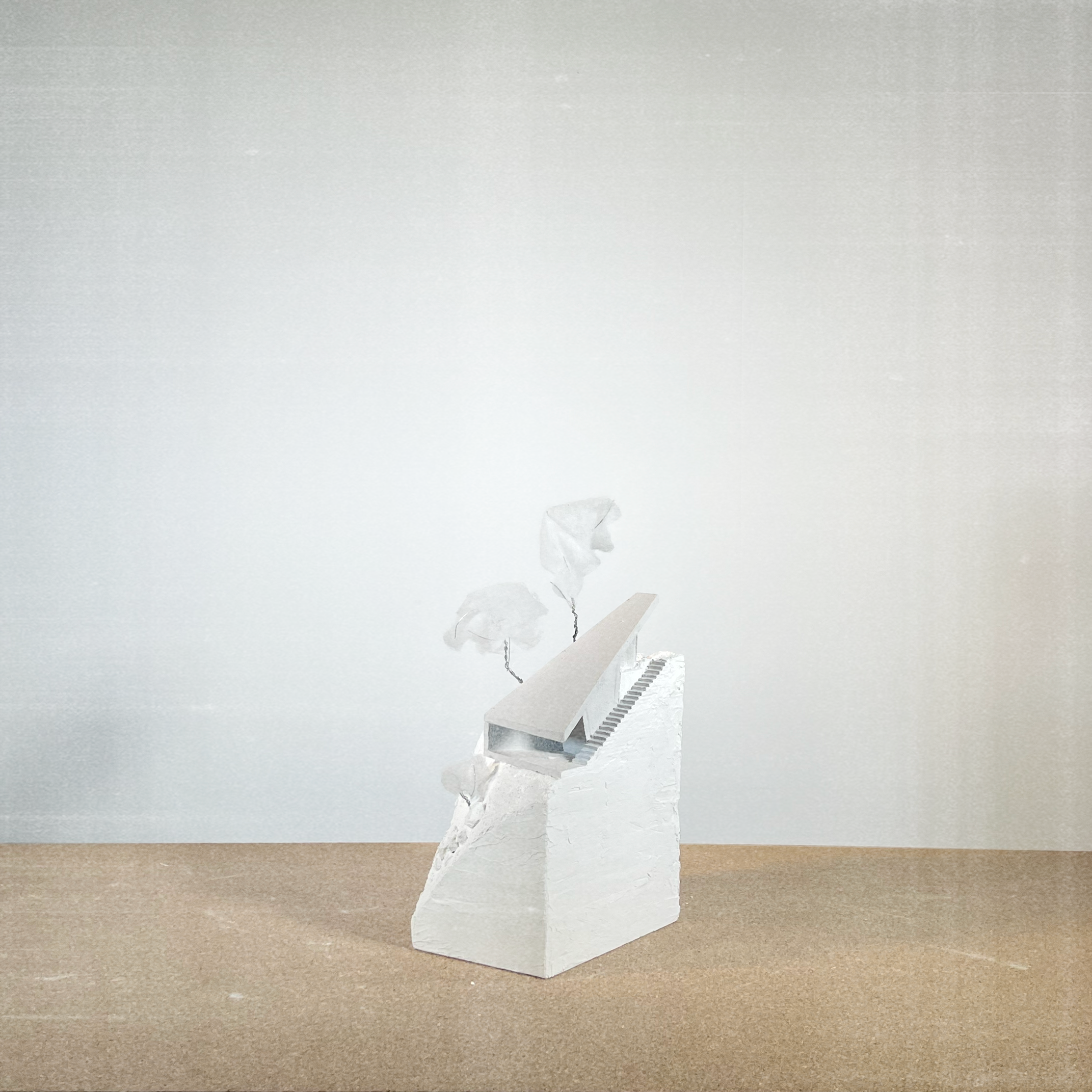

The Island’s Keeper is a project which reimagines Inujima as a dispersed domestic landscape, proposing a constellaiton of inhabitable architecture embedded within the island. Inujima, under the care of the Benesse Foundation and Kazuyo Sejima from SANAA, has a small withering population and is seeking to remain active through arts and culture. The Island’s Keeper proposes the home as an emblem of the domestic ritualistic life of the island that wishes to be commemorated, perhaps offering visitors a glimpse into the daily life of its residents. From its name, the Island’s Keeper positions itself as a project that watches over the island due to its numerous projects across the island. The project fragments the domestic program—bedroom, bath, tea room, and kitchen—and redistributes these spaces across the island’s distinct topographies. The architecture emerges from the landscape, often mirror the conditions it finds itself in, and is a reminder of the permanence of domestic life on Inujima. In doing so, the island becomes the home. A looping path serves as the project's spatial framework, connecting three primary conditions that define Inujima: the woodland, the quarry, and the beach. Each intervention emerges from the specific qualities of its site and each architecture is conceived as a device for framing both landscape and ritual.
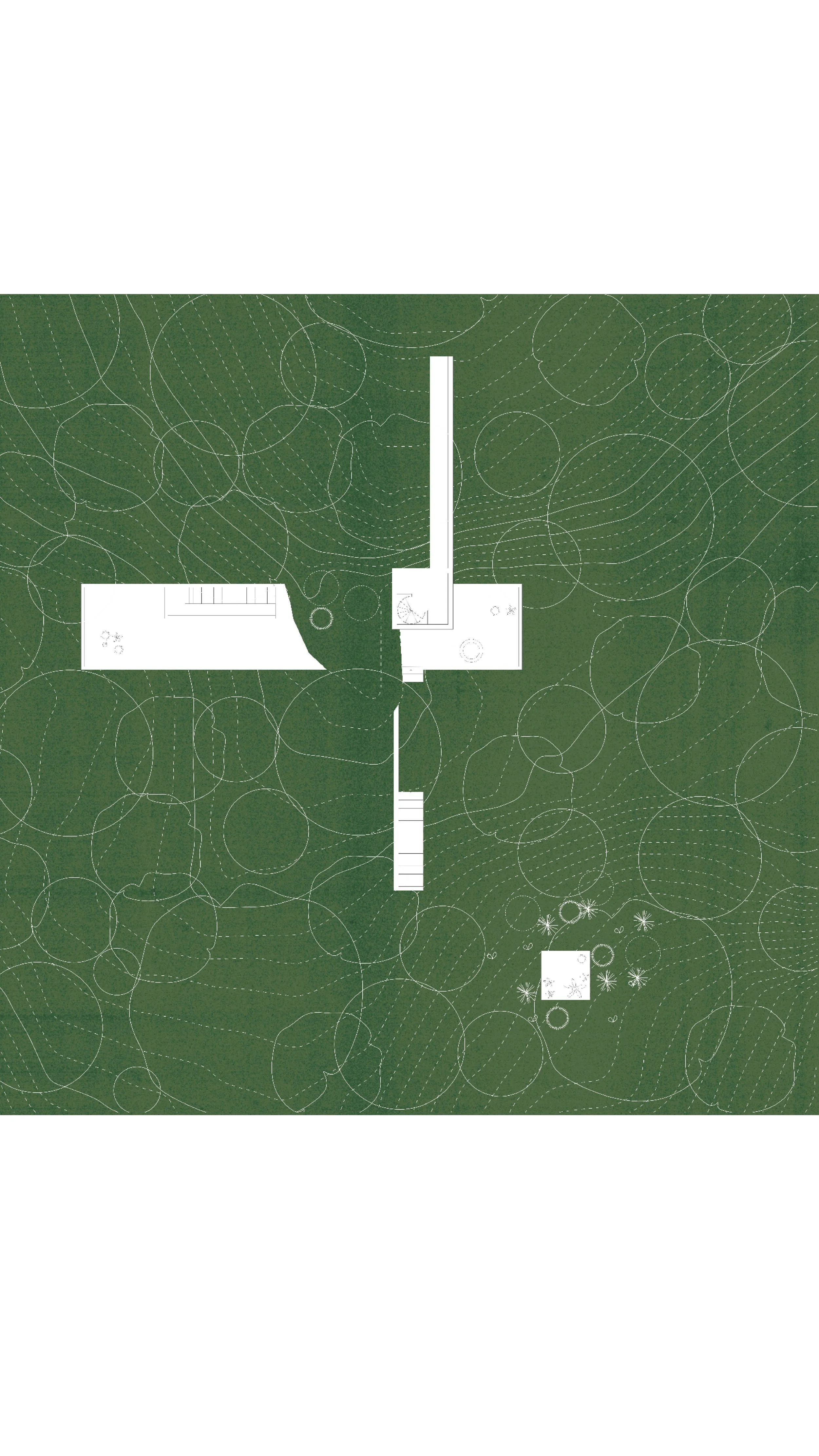
Situated within the wooded hillside, the bedroom explores the verticality of the surrounding forest. Embedded into the hill, the lower level accommodates the bedroom, bathroom, and closet, using the earth to create a sense of intimacy while allowing the architecture to extend horizontally into the landscape. Rising above, a tower emerges beyond the treeline, housing observatories overlooking the island. A bridge connects the tower back to the hillside. The quarry accommodates two independent rituals: the bath and the tea room. Although occupying the same landscape, each maintains its own atmosphere through separate approaches and carefully orchestrated visual isolation. The bath unfolds as a descending sequence of platforms that step toward the quarry’s water. Perched above, the tea room offers a contrasting experience of stillness and enclosure. Its sharply inclined roof echoes the surrounding cliff face, creating a restrained interior where the landscape is deliberately withheld until the ritual of tea begins. The framed view becomes accessible only from a seated position, transforming observation into an intimate and contemplative act.
With Liza Klymenko, David Debattista, Kathryn Vella in 2026
yekta.khalaji@gmail.com