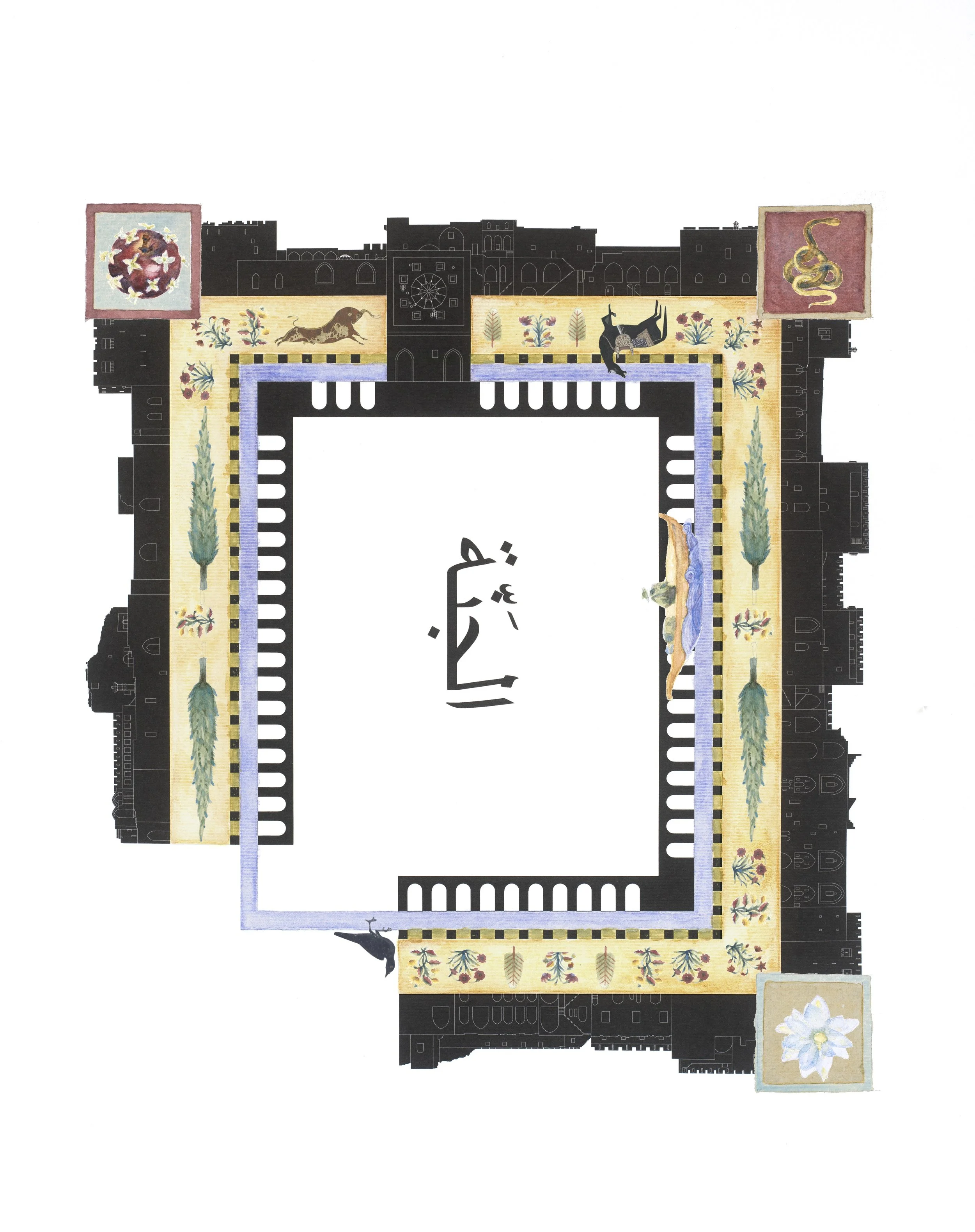
Where is Paradise? The word ‘paradise’ itself comes from the Persian word ‘walled garden’.
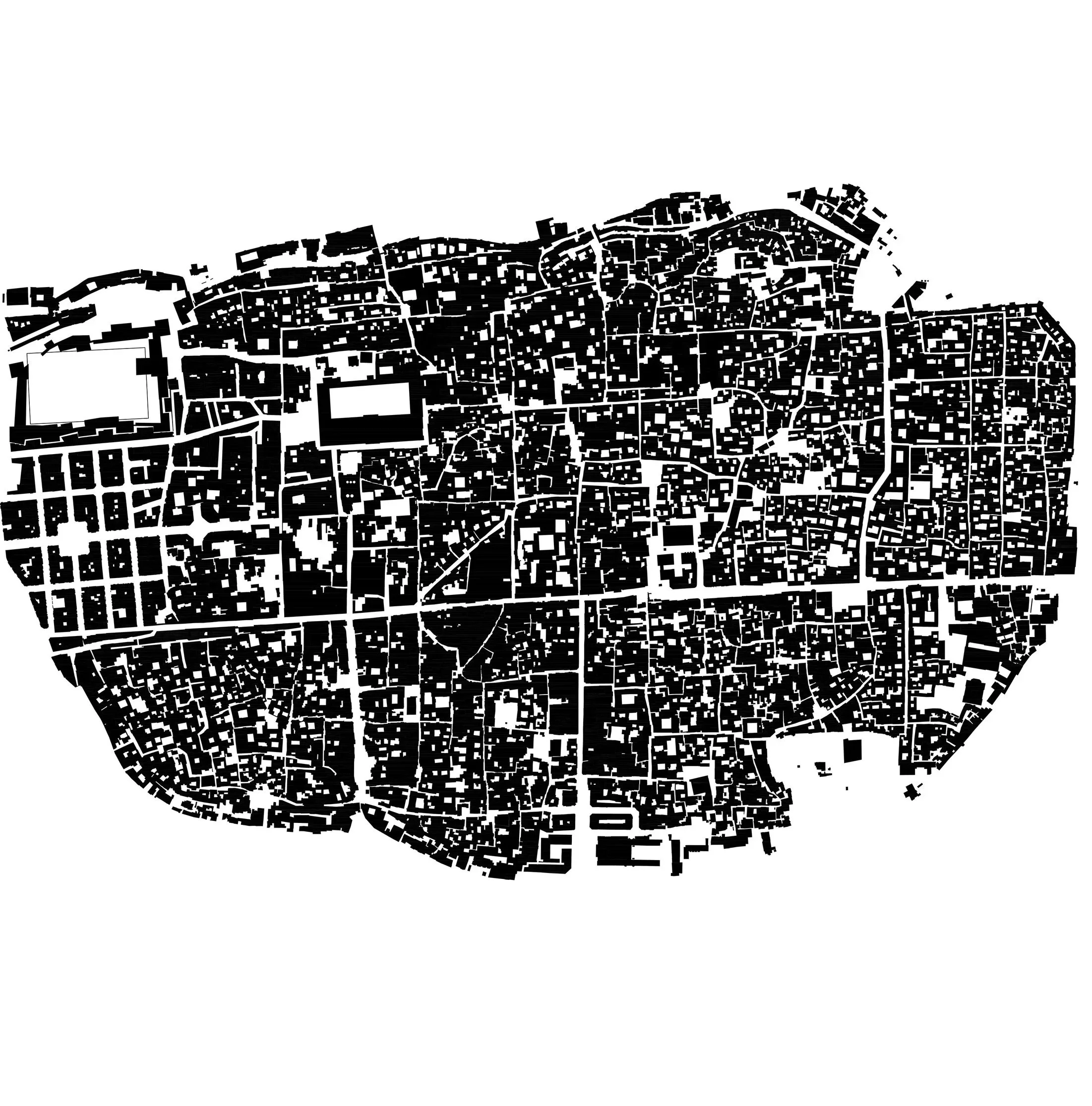
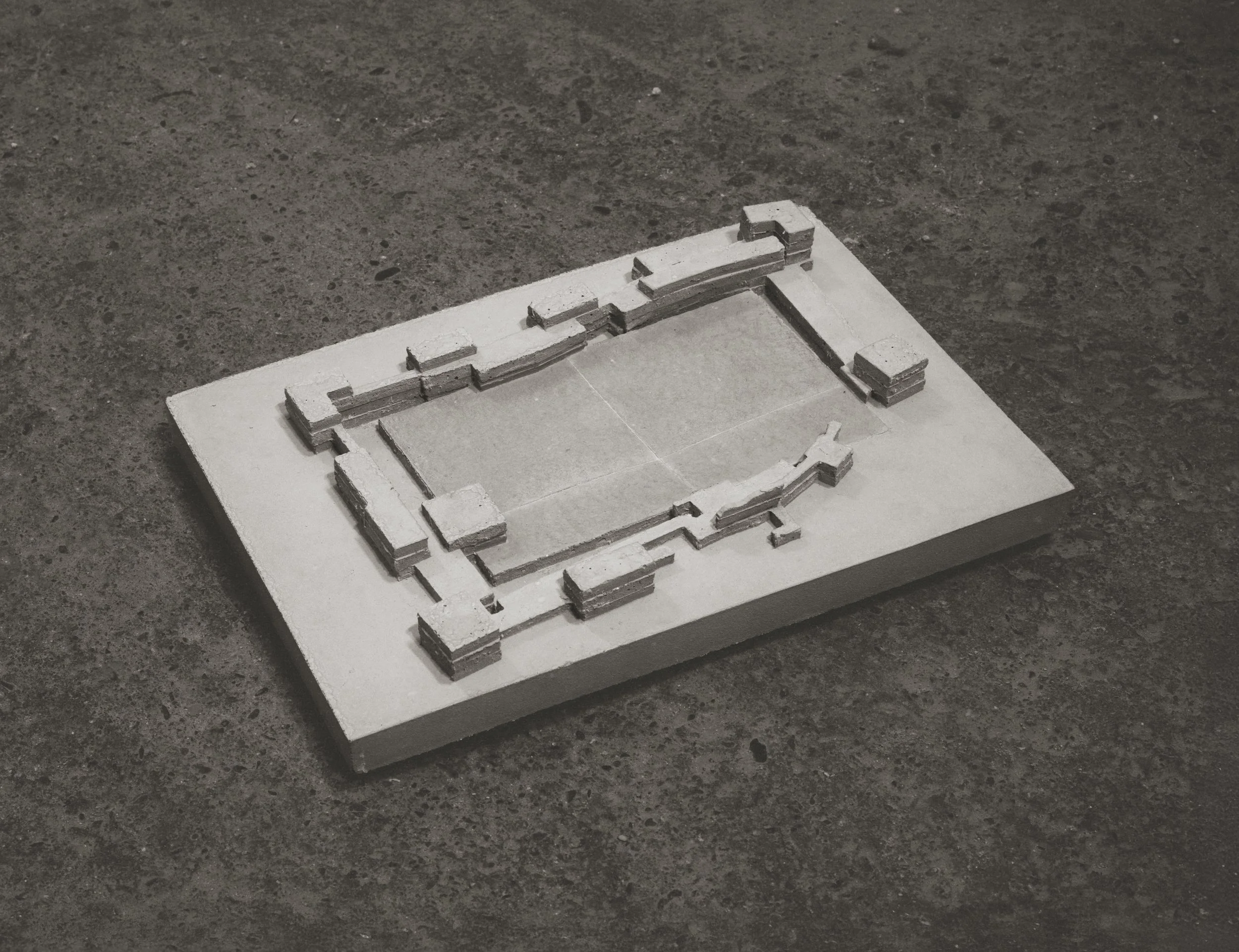
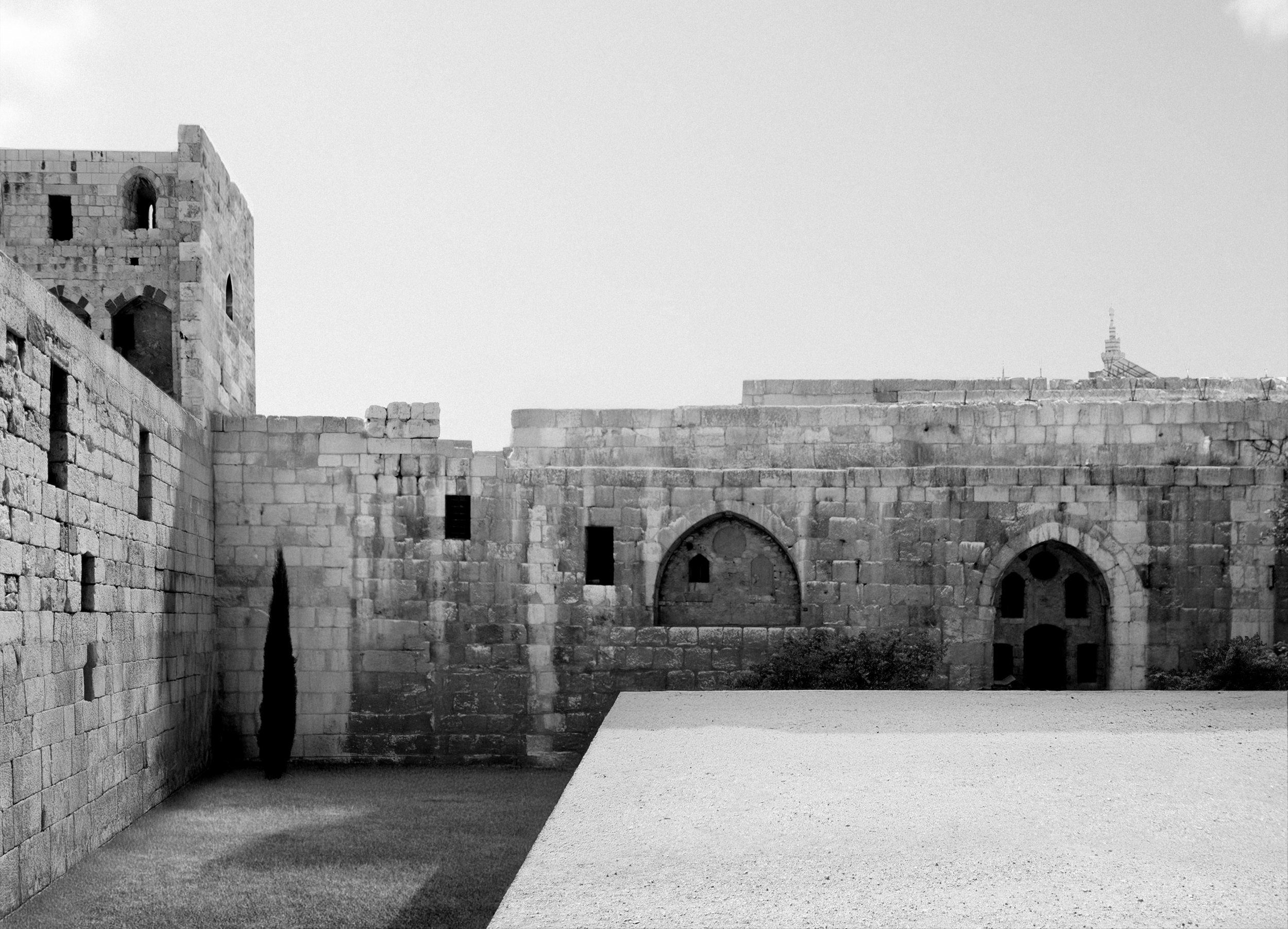
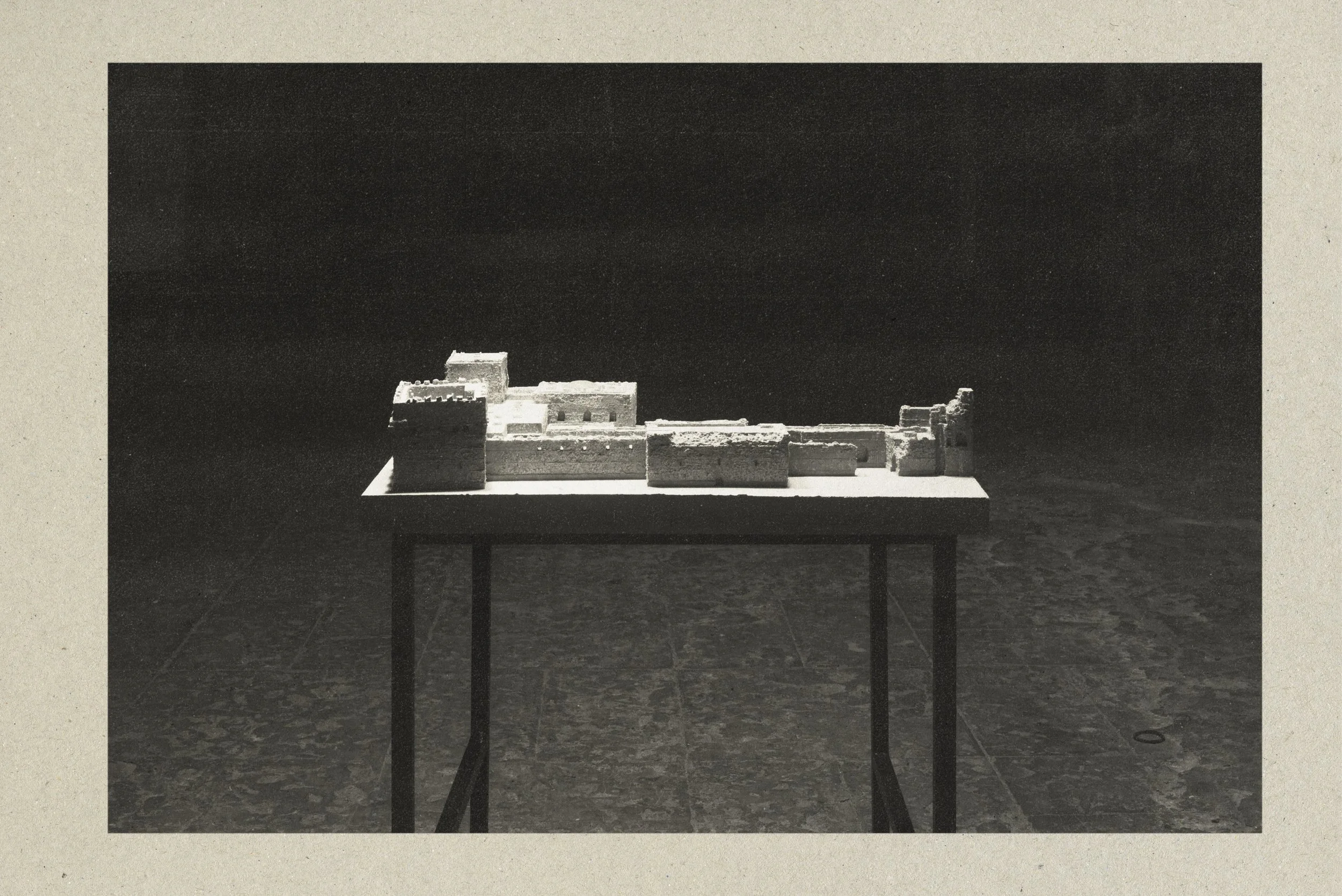
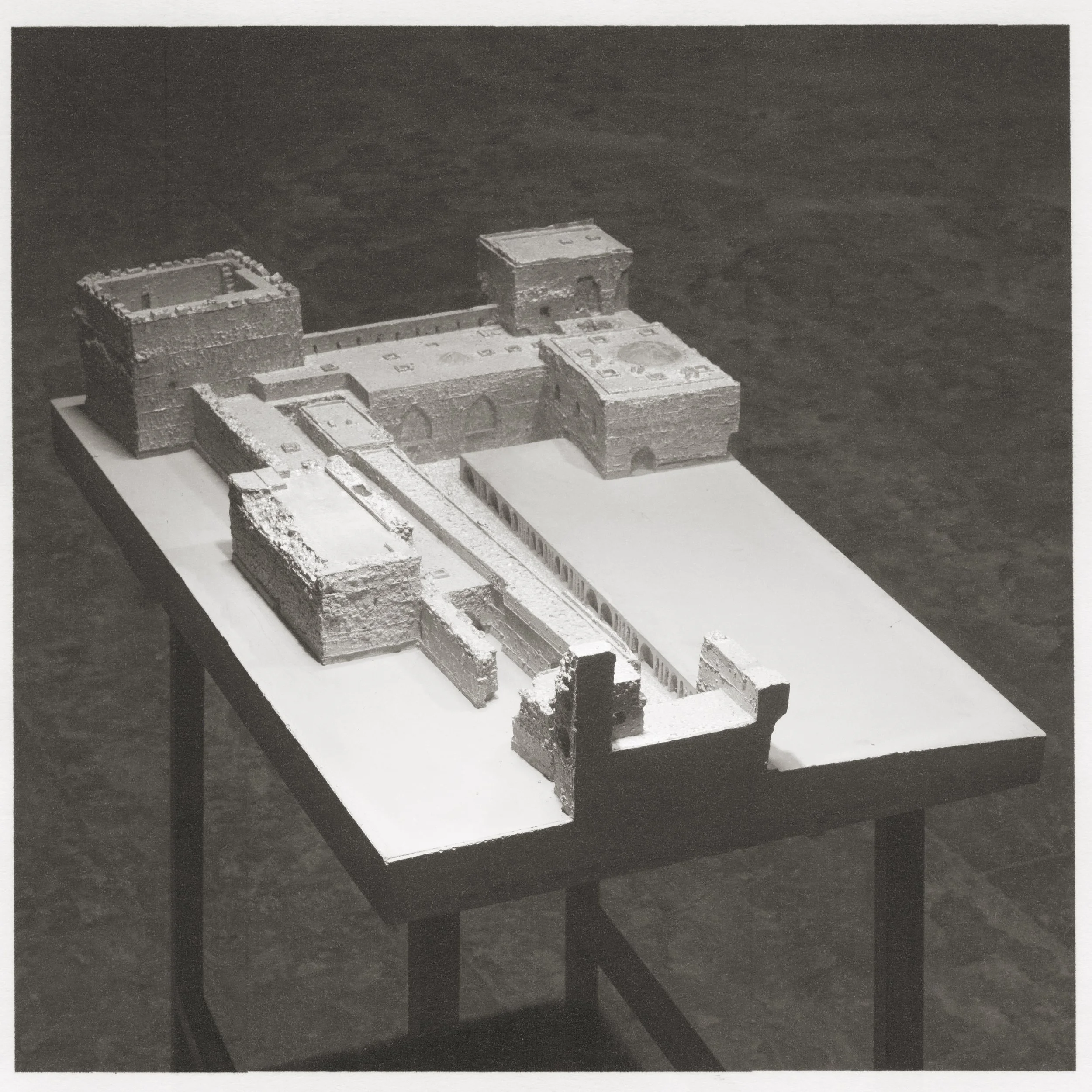
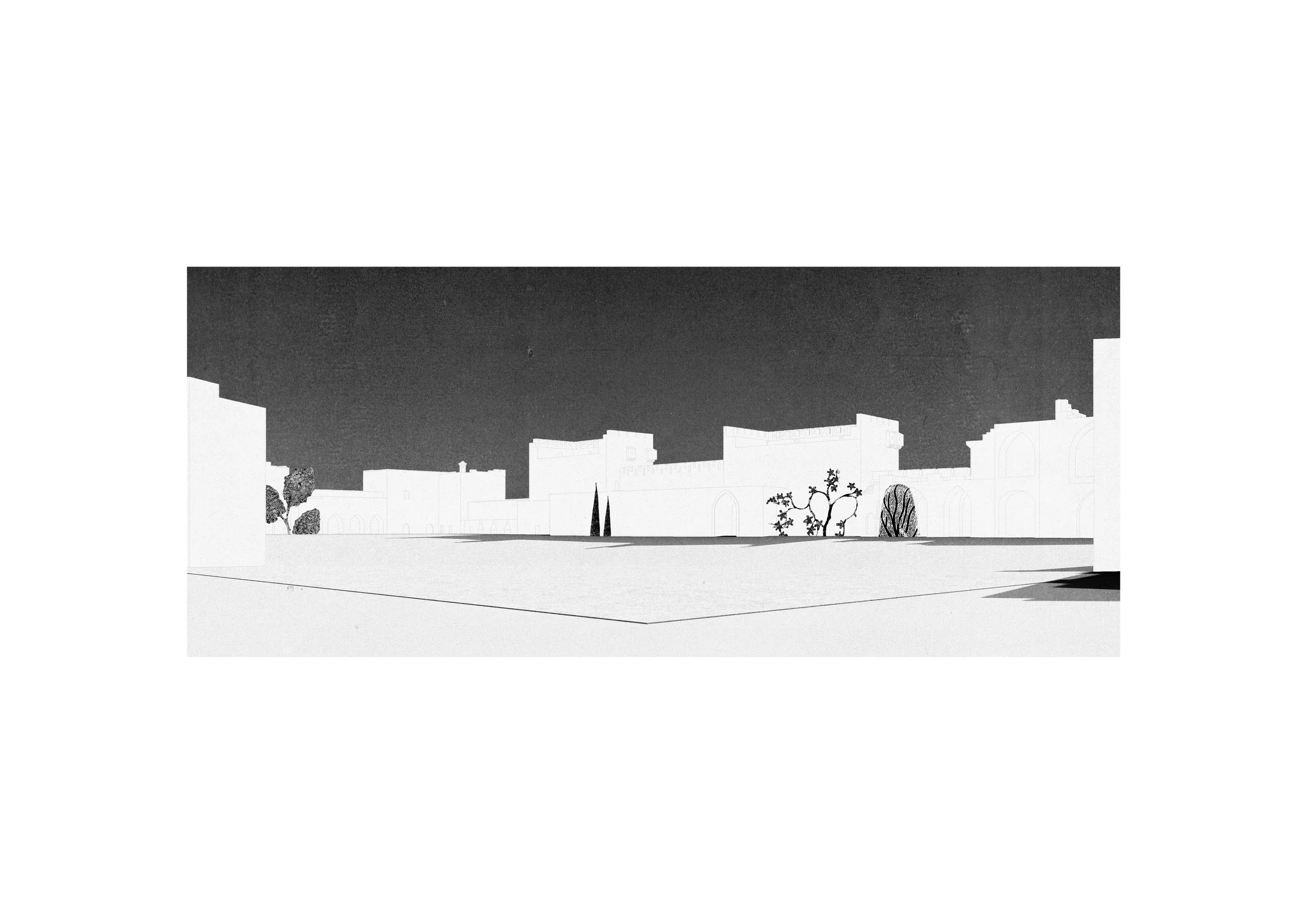
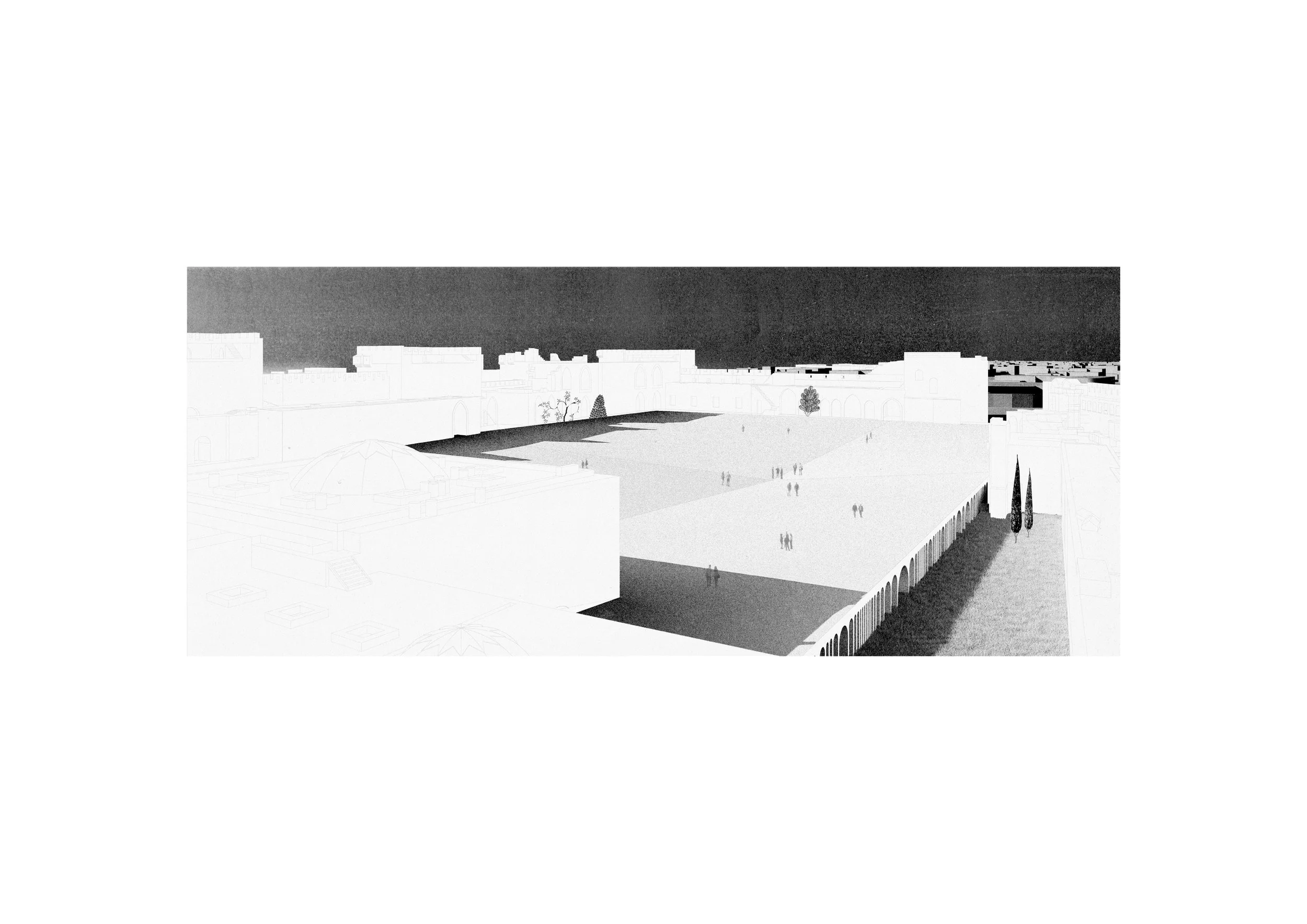
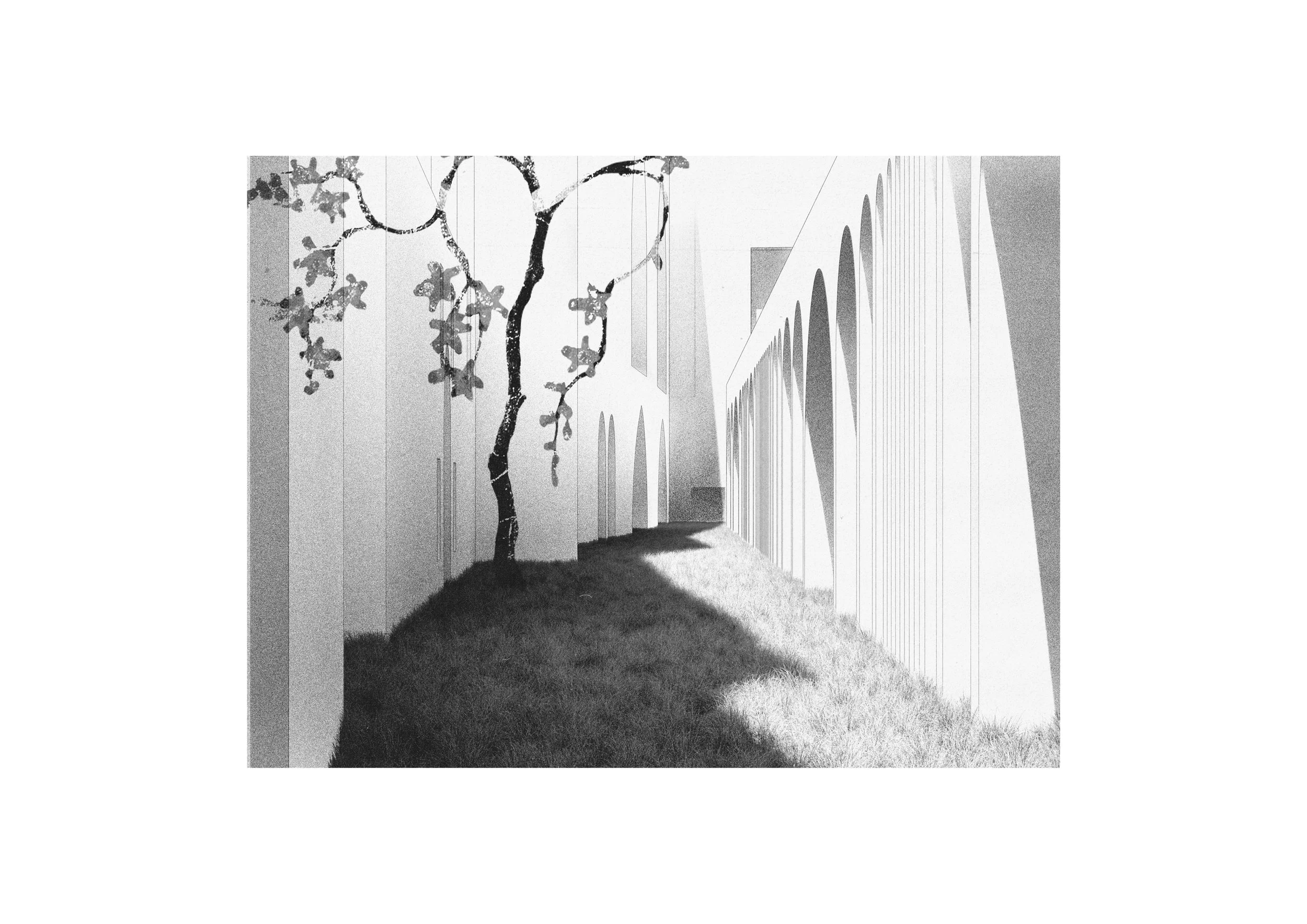
In the historic center of Damascus, this project opens up the medieval Citadel to the public, inviting urban residents into a wide open courtyard surrounded by an excavated garden and monumental ancient walls. Nothing obstructs the panoramic view of the walls. The excavated level, that is subterranean, reveal a lost storey of the Citadel that has been covered by rubble over the millenia. A subterranean gallery allows for the walls of the Citadel to be viewed and experienced as they would have been in the past. Thus, the intervention, which in its essence is just an excavation, modestly camouflages into the ground, and allows for the Citadel to take the stage. The project aims to reveal the Citadel and place it on a pedestal, as the central artefact of a museum. This is a project of discovery: discovering the history of the Citadel of Damascus, discovering rubble-covered levels, and a journey of self-discovery through the subterranean galleries. It searches for ideas of perfection and imperfections, limits of walls and cities, sensations of overwhelm and sanctuary.
Damascus has been described, over the millenia that it has prevailed, as an oasis, a city surrounded by the green belt of Gouna--a paradise. Its citadel, on the western border of its ancient city walls, is a historic site that has long been closed off to the civilians of the city. This project aims to open it up as a public courtyard within the densely woven urban fabric of the old city and commemorate the ideas of paradise coming from its history. Within this safe haven, a garden, a water channel and an arched gallery--elements of Persian gardens-- follow the new rules of the intervention. The project manifests itself as a rectangular platform cutting open the North West facade of the Citadel. The main platform dips at a central point, the crossing of two axis of the main entrances. The core intervention consists of an excavation revealing a forgotten storey within the Citadel, and the underground project inserts itself into a perfect rectangle within the jagged walls of the fortress. The space between the walls of the Citadel and the underground gallery is filled with a whimsical garden.
With Colin Nietzer, Liza Klymenko in 2025
yekta.khalaji@gmail.com